Understanding the Costs Involved in Paternity DNA Testing
Understanding the Costs Involved in Paternity DNA Testing
Blog Article
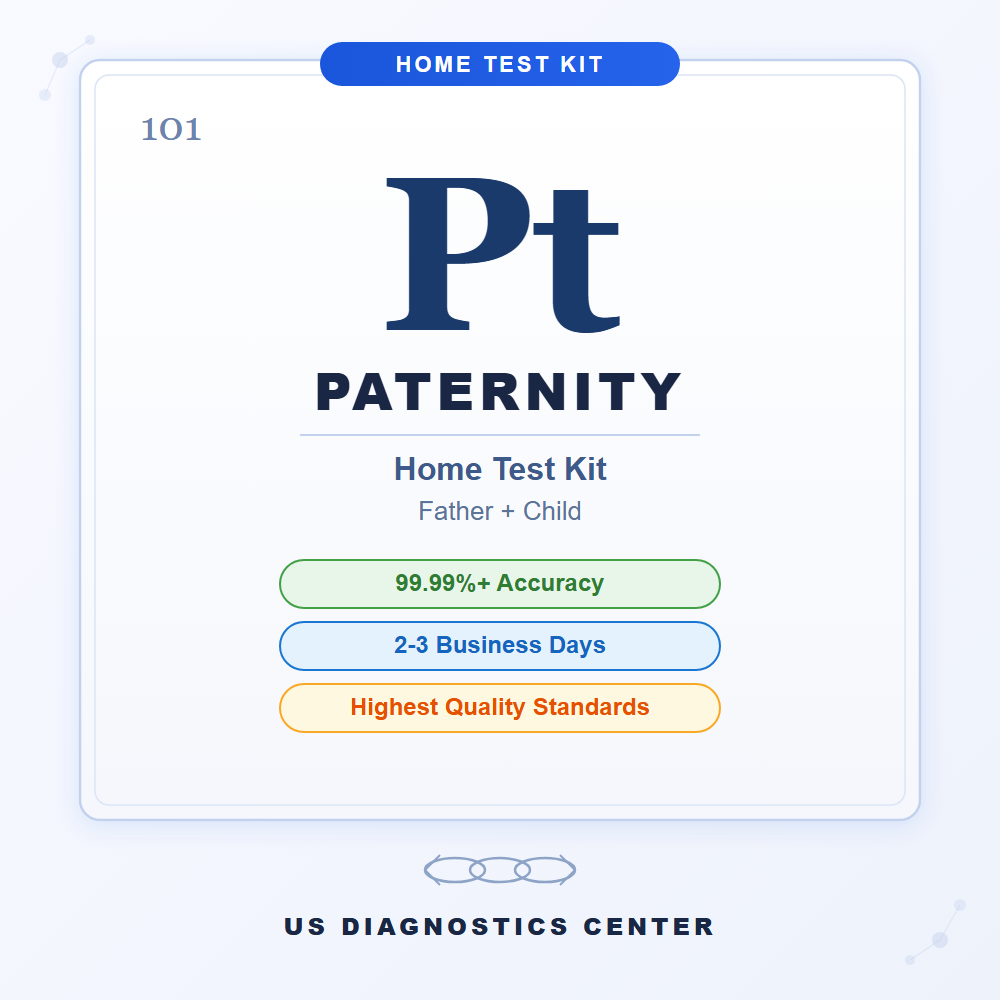
In the realm of relationship testing, a broad spectrum of DNA tests is utilized to verify biological links between individuals. This service is especially requested in emotionally charged situations such as paternity disagreements, tracing family relationships or confirming a child's genealogy. The testing approach is relatively simple, and the findings are frequently applied in legal, medical, or personal environments the official site. As more testing centers emerge, featuring services like the , individuals who require insight into their relationships can discover trustworthy support nearby. Familiarity with the available types of relationship tests is essential for informed decision-making. Understanding the array of relationship testing options available is crucial for anyone interested in genealogical connections. The primary tests you’ll come across include paternity DNA testing, sibling DNA testing, and grandparent DNA testing, each designed to serve specific relational inquiries. While the underlying science is similar, the approach varies based on what questions you are trying to answer regarding family ties. Paternity DNA testing holds the highest recognition and is essential for confirming if a man is the biological father of a child. This test involves collecting samples from both the child and the alleged father, typically via a non-invasive cheek swab. The accuracy of these tests is remarkable, often producing results that affirm paternity with a certainty of 99.99% if the results are positive. Sibling DNA testing serves to verify if two individuals share the same biological parents, making it particularly useful when traditional paternity tests are not applicable or for half-siblings. On the other hand, grandparent DNA testing can help identify whether a grandparent is a biological ancestor, which is advantageous in situations where information about the parents might be missing or contested. The precision of such tests largely copyrights on the number of genetic markers assessed and the specific relationships involved. Utilizing a certified lab for sample collection significantly boosts the reliability of the results. If you have uncertainties about which type of testing is most appropriate, it’s highly advisable to seek advice from a qualified expert. The relationship testing process is designed with ease and confidentiality in mind. Initially, individuals seeking a test must choose a reputable provider. After making an appointment, samples are taken — typically through a buccal swab from inside the cheek, which is quick and painless. They may also involve blood samples in certain situations, though this is less common. The collected samples are then sent to a certified laboratory for analysis. After a thorough examination, results generally take a few days to a couple of weeks, depending on the lab's speed of processing. Most providers also offer online access to view results securely, allowing for privacy. Results outline the relationship probabilities, giving a clear understanding of the familial connections between those tested. Costs associated with relationship testing can differ significantly depending on the test type, provider, and location. For instance, basic paternity tests typically range from $100 to $500, while tests for siblings or grandparents might be priced even higher. When selecting a provider, it's crucial to weigh the cost against factors such as the lab's accreditation, the reliability of their results, and customer feedback to ensure you make an informed choice. Before making a decision, it's wise for consumers to ask about the complete costs involved, factoring in any potential hidden charges for consultations or extra services. Some laboratories provide financing options or payment plans to alleviate financial stress. Exploring reviews online and verifying accreditations can further help in identifying laboratories that consistently yield dependable outcomes. For additional details on different DNA tests and their uses, please refer to the article on DNA relationship testing. Selecting the right relationship testing provider is essential for accurate diagnostics and peace of mind. Verify various factors before making your decision.Exploring Different Types of Relationship Testing
Sibling and Grandparent DNA Testing Explained
The Testing Process: What to Expect
Understanding Costs and Choosing a Provider
 US Diagnostics Centerpaternity test near me
Tips for Choosing the Right Testing Service
relationship testing
Frequently asked questions
What is relationship testing?
Relationship testing is a type of DNA test used to determine biological relationships between individuals, including paternity, sibling, and grandparent connections.
How do I choose a relationship testing provider?
To choose a provider, research their accreditation, read customer reviews, inquire about their testing processes, and consider the privacy measures in place.
How much does relationship testing cost?
The cost of relationship testing can vary significantly depending on the type of test; typical prices range from $100 to over $500, based on the complexity of the analysis.
How accurate is a paternity test?
A paternity test is typically over 99.99% accurate if paternity is confirmed, making it one of the most reliable forms of relationship testing available.
What samples are required for testing?
Most tests involve cheek swabs, although blood samples can be requested in some cases. The method of collection is simple and non-invasive.
Grasping the concept of relationship testing is essential for those dealing with family-related doubts. There are numerous choices out there, allowing individuals to confidently seek clarity regarding their personal relationships. Trustworthy services combined with precise outcomes can greatly assist in settling conflicts and reaffirming family ties.
In the end, whether you are looking for paternity information or exploring family links, making informed decisions will guide you to a more rewarding resolution. Arm yourself with relevant knowledge and support as you contemplate these significant assessments.